Facial Aging Over Time: What Really Changes and How to Treat It Wisely
Understanding Facial Aging
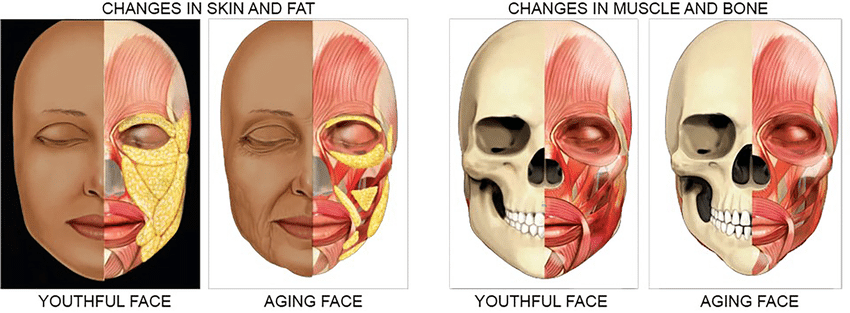
Facial aging does not start with wrinkles. It begins beneath the skin. Bone, fat, muscle, and collagen shift slowly over time. These changes affect shape, support, and balance long before fine lines appear.
It’s important to take a layered, full-face approach because aging happens in 3D, not on the surface alone. Treating isolated lines or single problem areas misses the real cause of facial change.
Aging Is a 3D Process
Your face works like a home.
Foundation: Bone and fat pads create shape and projection.
Walls: Muscles and fascia control movement and hold structure.
Paint: Skin shows wear first, even though deeper layers drive the change.
If care focuses only on the surface, deeper shifts continue unchecked. A full-face plan addresses structure, movement, and skin together. This approach delivers steadier, more natural-looking results for clients who want longevity, not quick fixes.
How Facial Aging Changes Over Time
Facial aging follows a predictable pattern. Changes layer gradually.
Late 20s to 30s
Collagen and elastin production slows
Skin becomes thinner
Early expression lines appear
30s to 40s
Fat pads shrink or shift downward
Temples, cheeks, and under-eyes lose fullness
Facial shape softens
40s and Beyond
Bone resorption affects the jaw, chin, and mid-face
Support loss leads to sagging, jowls, and heaviness
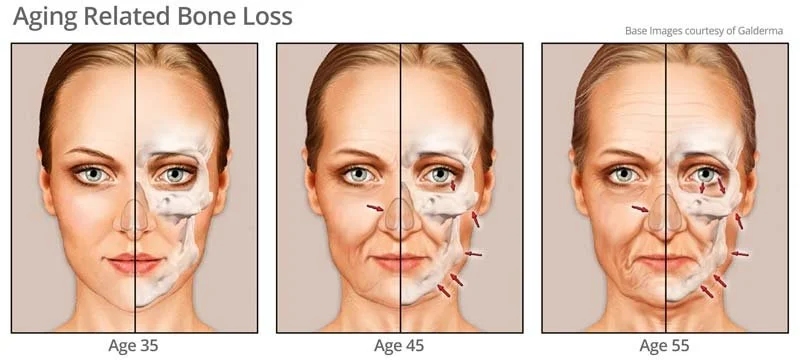
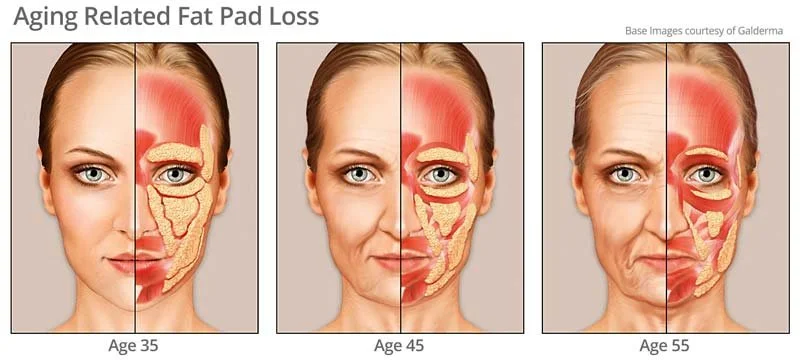
These changes do not happen overnight. They accumulate. This is why early, informed care matters for long-term facial balance.
Why Early Treatment Matters
Starting earlier keeps aging changes manageable.
Early care helps:
Maintain facial harmony
Slow collagen decline
Reduce the need for aggressive correction later
Clients often ask when to start. The answer depends on anatomy, lifestyle, and goals. The advantage of early care lies in preservation, not transformation.
Think dental care. Daily brushing beats waiting for major repair.
Botox and Full-Face Balance
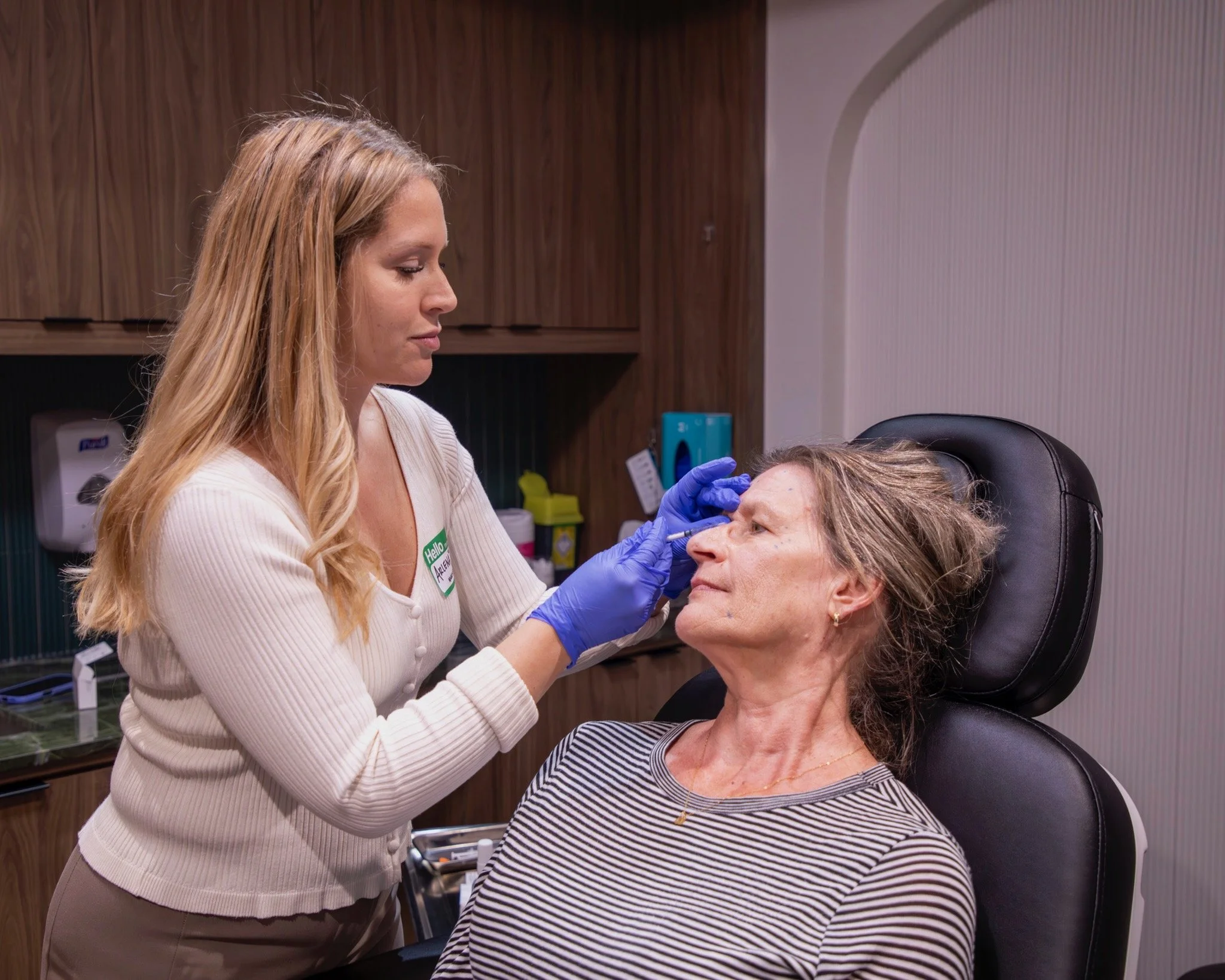
Botox works at the muscle level. Over time, repeated movement shapes how lines form and how the face settles.
Most people associate Botox with the upper face. Forehead. Brows. Eye area. That is often where treatment begins.
What many people do not realize is how muscle activity across the entire face influences balance. When only one area is treated, the face can feel visually “split” over time.
A full-face assessment looks at how muscles interact, not isolated lines. This is where subtle planning matters most.
This is something we assess in consultation. Dosage, placement, and timing change based on your facial movement, not a template.
If you have ever felt like results looked good in one area but disconnected in another, this is usually why.
Structure and Volume Loss
Volume loss is one of the most misunderstood parts of facial aging.
As support changes beneath the skin, the face can appear tired, heavier, or less defined. This is not about adding volume everywhere. It is about understanding where structure has shifted.
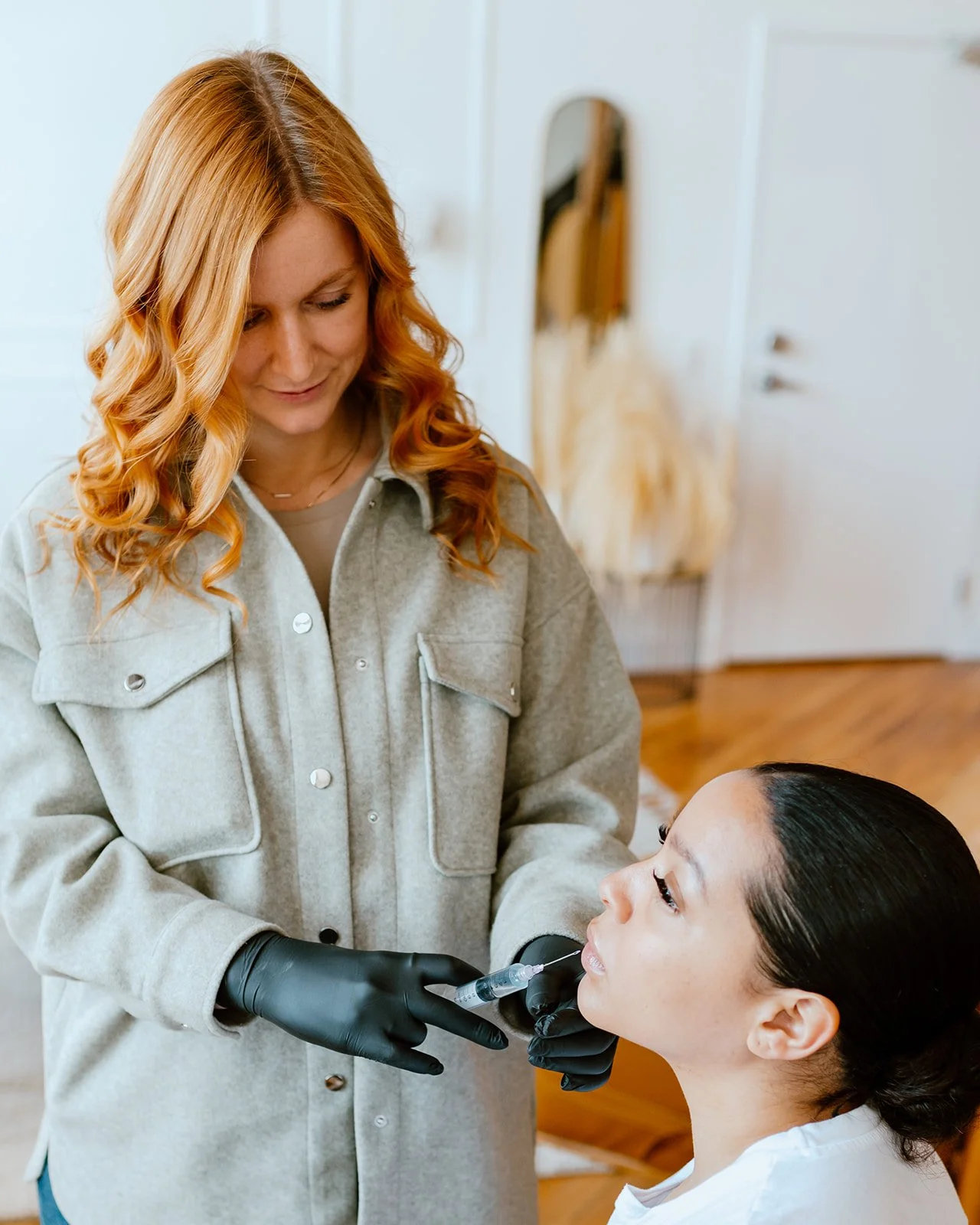
Collagen stimulators and facial balancing techniques work deeper than surface lines. These treatments focus on long-term support rather than instant change.
How and where support is addressed varies widely from person to person. This is not something decided from a menu. It is mapped during a full-face consultation.
Skin Quality and Regeneration
Even with strong structure, skin quality plays a major role in how the face reads.
Tone, texture, and firmness change gradually. These shifts often show up before people connect them to aging.
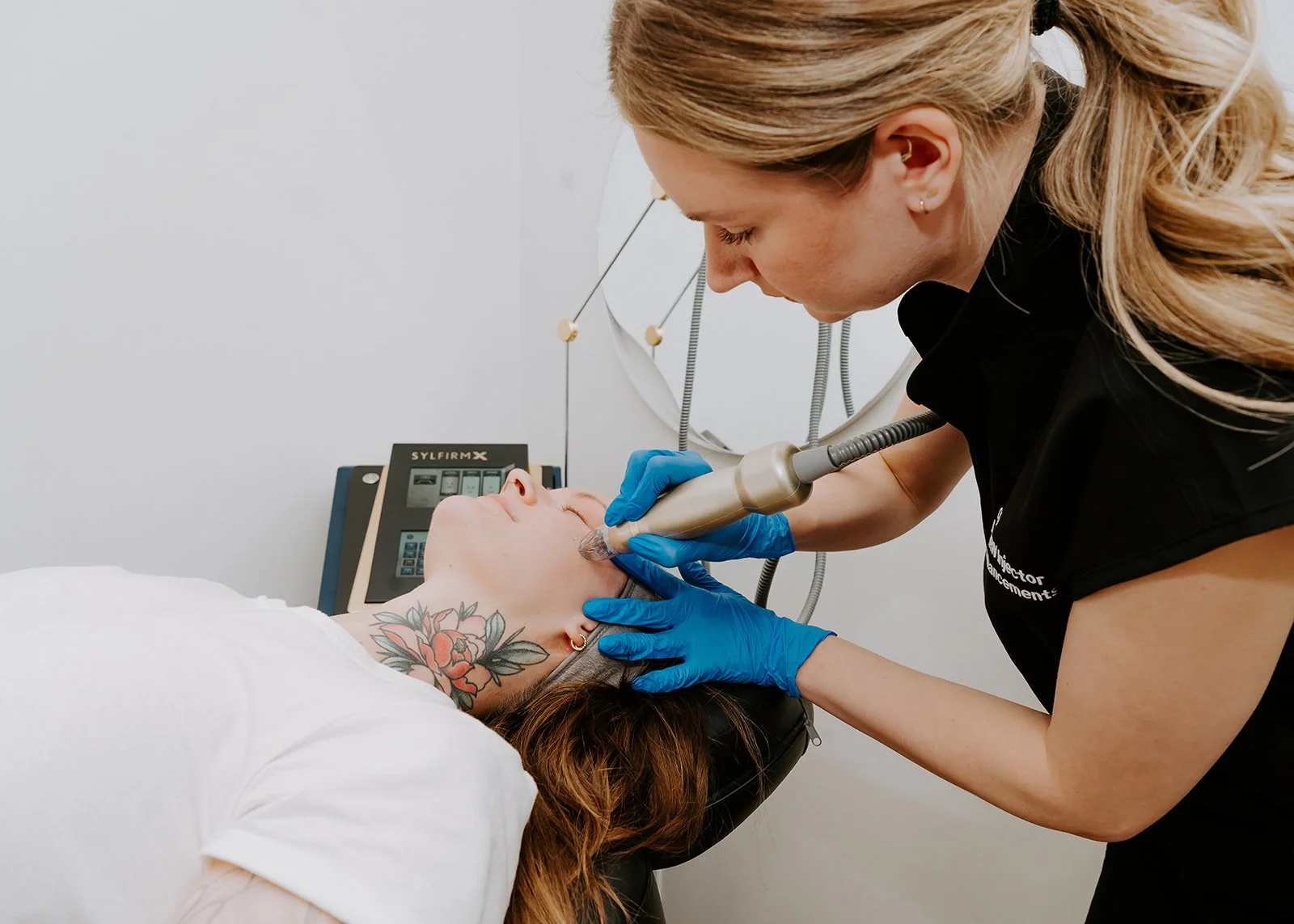
Energy-based treatments and regenerative care work below the surface to support collagen and skin resilience. Surface treatments refine and maintain results.
Which approach makes sense depends on your skin history, sensitivity, and goals. This is where customization matters most.
At-Home Skincare Supports the Plan

In-clinic care sets direction. Skincare maintains momentum.
Medical-grade skincare supports collagen, protects results, and helps skin respond better to treatments over time.
What you use matters. How you use it matters more. This is part of your overall plan, not an afterthought.
Skincare recommendations are personalized during consultation based on your treatments, skin behavior, and lifestyle.
The Big Picture
Facial aging is layered. Structural. Individual.
There is no single treatment that addresses everything. The most natural results come from understanding how your face changes over time and planning accordingly.
This is why consultations matter. They allow us to assess your face in motion, in balance, and in context.
If you want results that feel cohesive, not pieced together, the first step is a full-face consultation in Toronto or Whitby.
Your face does not need fixing.
It needs a plan.

Hi, I’m Hilary!
The founder and lead nurse injector at Subtle Enhancements. Education is something that I’m very passionate about and this blog is an extension of that. Here you will be fully informed of the benefits and risks of each cosmetic procedure — no fads, no trends, just the scientific facts.
In the Greater Toronto Area or Durham Region? Consultations are free!
Let’s get social